
Anfield, the historic home of Liverpool FC, demonstrates how stadium design shapes not only atmosphere but also the club’s ticket revenue strategy. Examining Anfield’s redevelopment and matchday approach reveals how the unique blend of tradition, stand configuration, and modern commercial ambitions impacts Liverpool FC’s financial results.
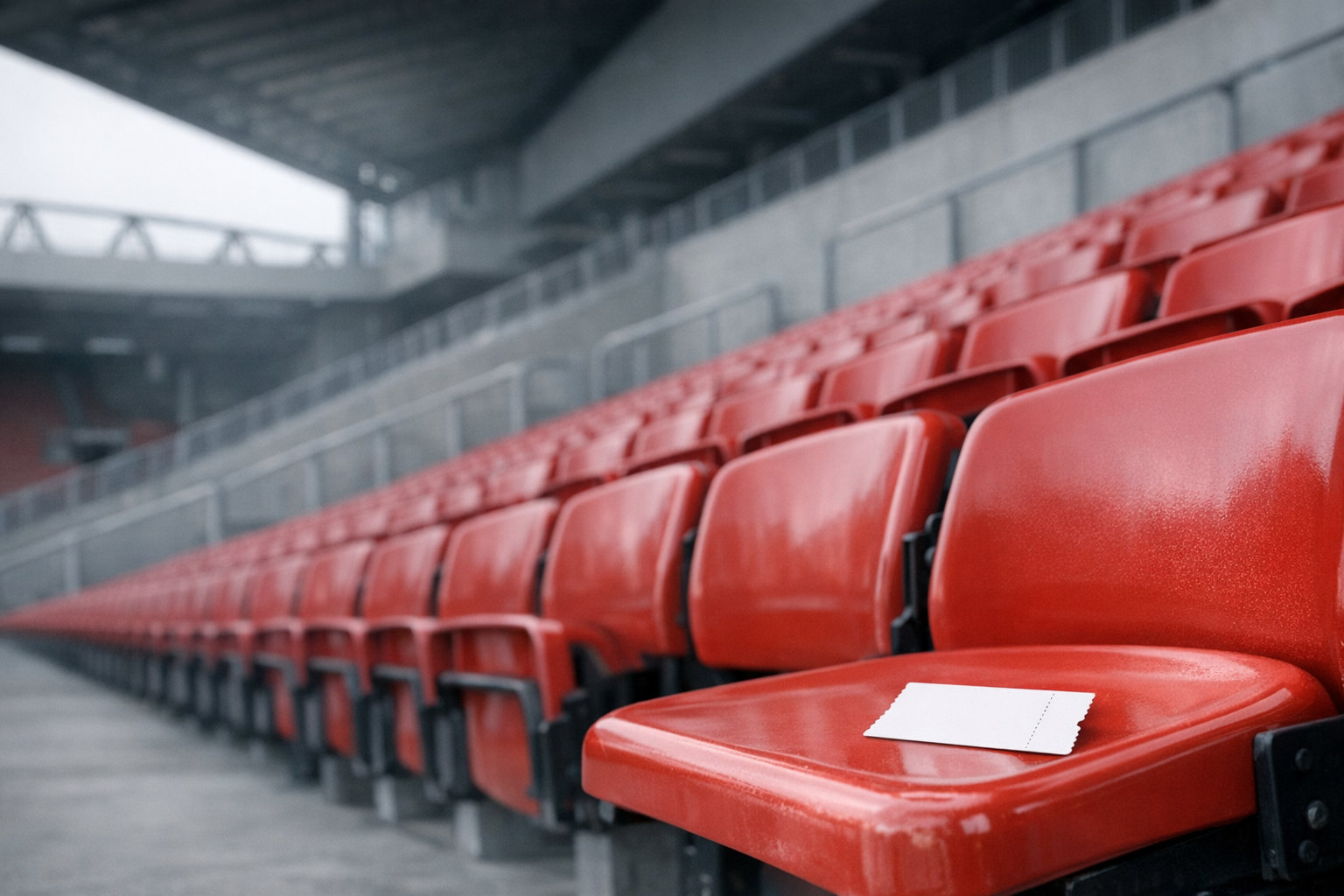
Anfield holds a central place in Liverpool FC’s history and finances, directly affecting both the supporter experience and the club’s matchday income. While venues like Anfield evoke memories and passion, their economic significance relies on considered architecture and planning. casino games fuel certain leisure economies, but for Liverpool FC, ticket revenues remain a core business pillar, with the stadium’s capacity, configuration, and heritage all influencing demand and pricing. You will find that for Liverpool, the balance between tradition and commercial innovation, as well as the detailed approach to stand development and hospitality, has become central to both supporter loyalty and maximising revenue, regardless of wider economic trends.
For Liverpool FC, the matchday ticket revenue equation is built around managing the interplay between capacity and demand, which has long been shaped by the size and allocation of the Kop, Main Stand, and other sections. Regular sell-outs allow the club to set strong average ticket prices, while tiered seating—from affordable areas to hospitality and executive boxes—offers further segmentation. Recent investments in premium matchday experiences and hospitality suites have enabled Liverpool FC to diversify matchday income streams, with season ticket waiting lists creating baseline financial stability. The club’s selective pricing strategies for high-profile opponents ensure that the most anticipated fixtures also generate higher per-seat yields.
Technology now plays a greater role in ticketing. Liverpool FC uses infrastructural improvements and data to inform dynamic pricing, tailoring ticket costs to demand and fixture significance. Varied options—including hospitality, family enclosures, and general admission—help maintain both accessibility and commercial targets. This multifaceted approach to ticketing at Anfield reflects a broader shift across leading UK clubs, but with an emphasis on maintaining the stadium’s distinctive atmosphere and supporter traditions.
The design and redevelopment of Anfield, including the expanded Main Stand and ongoing Anfield Road End project, has affected how Liverpool FC maximises both capacity and revenue without losing the stadium’s unique character. Sightlines, seat configuration, and the intimacy of the Kop all contribute to the perceived value of attending, allowing the club to market areas according to their reputation. Enhancements to concourses and amenities encourage longer supporter stays, boosting secondary spend on merchandise and catering at the stadium.
Compliance with safety and accessibility regulations has influenced the pace and shape of Anfield’s redevelopment. Balancing preservation of heritage features (especially the Kop) with modern comfort—such as new facilities and hospitality—has enabled Liverpool FC to comply with crowd safety while driving commercial growth. These changes have not only improved matchday experiences but also ensured the club remains competitive with other top-tier teams regarding both atmosphere and income generation.
While Anfield is unique, Liverpool FC’s approach can be compared to the strategies of other top UK clubs, where stadiums like Old Trafford, the Emirates, and Tottenham Hotspur Stadium offer alternative takes on modernisation. Unlike some rivals who have pursued entire relocations or new builds, Liverpool have favoured phased redevelopment, allowing the club to retain deep community ties and iconic elements while increasing capacity and hospitality inventory.
Anfield’s stand expansions demonstrate the trade-offs between preserving tradition and pursuing commercial objectives. By enhancing existing structures rather than moving to a new site, Liverpool FC leverages its legacy and emotional connection, even as it increases matchday income. While casino games occupy different leisure spaces, the way Liverpool FC continually adapts its stadium underscores the club’s focus on tailoring the physical experience to both long-term supporters and new, hospitality-oriented audiences.
Throughout Anfield’s redevelopment, Liverpool FC has faced tensions between maintaining the atmosphere that makes the stadium legendary and the commercial logic that drives expansion. Enlarging stands and introducing more hospitality seating can risk diminishing the distinctive feel of the Kop or shifting the experience towards more affluent demographics. The club’s careful phasing and consultation with the supporter base aim to reconcile these pressures, ensuring that loyalty and club culture remain central to the matchday experience even as revenue opportunities grow.
Managing capacity during construction phases has meant temporary reductions in seats and income, directly impacting season ticket holders and loyal fans. Liverpool FC has attempted to mitigate these effects through phased ticket allocation and communication, acknowledging that long-term revenue growth and competitiveness depend on sustaining satisfaction across the supporter community. The club’s choices regarding ticket pricing, stand usage, and the mix of hospitality versus general admission reflect an ongoing balance between tradition and future commercial needs.
Anfield remains key to Liverpool FC’s sporting and financial strategy, with stadium investments underpinning both supporter passion and the club’s organisational resilience. While media and sponsorship revenue have become ever more significant, matchday ticket income continues to support sustainable growth, as seen in recent expansions of the Main Stand and Anfield Road End. The careful calibration of sightlines, seating comfort, and legacy features enables the club to protect its identity while responding to modern revenue challenges.
Strategic planning around Anfield’s future is designed to anticipate shifts in fan expectations, regulatory standards, and commercial competition as of early 2026. By aligning tradition with modern ambition, Liverpool FC demonstrates how intelligent stadium design can secure organic revenue growth while nurturing the club’s deep-rooted ties to supporters and the city. The interaction of architecture, atmosphere, and ambition at Anfield has become central to both Liverpool FC’s competitive prospects and the sustained resonance of the club’s legacy.