Craig Johnston
Midfielder · Liverpool 1981–1988
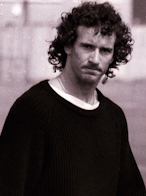
Skapti Hallgrímsson
Personal
- Born
- 25 June 1960
- Place of birth
- Johannesburg, South Africa
- Nationality
- Australia
- International
- England u-21 2/0 caps/goals
- Other clubs
- Lake Macquarie (1976-77), Sydney City (1977), Newcastle KB United (loan 1978), Middlesbrough (1977-81), Newcastle KB United (loan 2 / 1982)
At Liverpool
- Signed from
- Middlesbrough
- Joined
- 3 April 1981
- Transfer fee
- £650,000
- Debut
- 29 August 1981
- First goal
- 8 December 1981
- Last goal
- 7 May 1988
- Last appearance
- 14 May 1988
- Contract expiry
- May 1988
Also played against Liverpool — view opposition record
Liverpool career
271
Appearances
40
Goals
39
Assists
- League 190 apps · 30 goals · 30 assists
- Win ratio 59.78% — W 162 · D 59 · L 50
Honours
Player profile
A tireless runner who gave always 100% for the team. Born in South Africa but brought up in Australia, Johnston was confident enough in his own ability to write to several English clubs as a 15-year-old asking for a trial. Middlesbrough were the only ones that replied so he borrowed the £632 return air fare from his father and was signed after a four-month trial. It could have been so different as he told Shoot! in 1978. When Johnston was only six he got a kick on the leg and suffered from a bone disease. A doctor recommended an amputation of the left leg. "I still remember the horror I felt. Fortunately an American specialist saved my leg," Johnston recalled. When he was 14 there was a recurrence of leg trouble and he was advised to pack up football. After his first trial game, Boro manager, Jack Charlton, told Johnston to go back to Australia on the first plane because he would never make a footballer in a million years. Graeme Souness, whose number four shirt Johnston inherited when the Scot went to Liverpool, gave the Australian great support and with typical dedication Johnston set about to prove Charlton wrong. Thankfully Charlton was soon on his way out replaced by John Neal who
gave Johnston his breakthrough in the First Division in the 1979/80 season.
Johnston signed for Liverpool in April 1981, still only 20 but with over 60 League appearances to his credit already. When he watched his new club win the European Cup in Paris only weeks after his arrival at Anfield, he must have dreamt of being part of similar success. After being substitute in three of the first four League matches, he had been largely overlooked since then in the 1981/82 season. His fortunes started to change on a freezing December night when Arsenal visited Anfield for a fourth round League Cup replay. His first goal for the club five minutes into extra-time helped see the Reds through to the quarter-final, although Johnston failed to play any further part in the competition as his team went on to retain the trophy. But he did contribute six goals as Liverpool regained the League Championship from Aston Villa. He quickly became a crowd favourite because supporters recognised that he would run until he dropped and his courage and strength were never in doubt. He would himself admit that he lacked a certain finesse to be a top player and just ran around the field like a "lunatic".
When John Wark arrived Johnston lost his place in the starting line-up following a win in the replay of the League Cup final against Everton in March 1984. Wark was ineligible for the European Cup as he hadn't signed before the UEFA deadline so Johnston featured in the successful European Cup final in Rome. When Joe Fagan stepped down after two seasons in charge, Johnston was given fresh hope and encouragement from his former teammate Kenny Dalglish. "Craig was his own worst enemy," Dalglish said. "He just didn't believe in in his footballing abilities, and I could see that, when his form deserted him, Craig became depressed and the dark cycle continued. Several times during the season I had to beat away this black dog of depression chasing Craig." Johnston played 61 games in the 'Double' season of 1985/86, again reaching double figures in the scoring stakes. The joy of scoring in an FA Cup final was plain for all to see as Johnston netted Liverpool second in a 3-1 win over Everton at Wembley. "At least Liverpool had one magnificent season out of Craig Johnston," Dalglish concluded.
After a promising start to the following season, the recurrence of a back injury kept him on the sidelines. But worse news was to come that Christmas. His younger sister, Faye, nearly died in a gassing accident caused by a faulty heater in her hotel room in Morocco and he rushed immediately to be at her side. All this was kept from the press at the time and of course the supporters had no idea of the tragedy that was unfolding in his private life. His mind was obviously on other things and although he never gave up when he had a Liverpool shirt on, it was clear and natural that his family came first. Further injuries meant a reduced number of appearances in 1987/88 and he left England after the best-forgotten Cup Final against Wimbledon to return to Australia to care for his sister, who was brain damaged as a result of the gassing incident. Years after he quit Liverpool he was continually being linked with top clubs. He made one thing clear at the time to Liverpool fans all over the world that he would only return for one club: "I'd never play for anyone else than Liverpool. The only other team I'd play for would be Liverpool reserves!"
A year later, devastated by what had happened at Hillsborough, he not only raised £40,000 in his own country for the families of the 96 but also willingly flew half-way across the world to attend the memorial service at Anfield seven days after the disaster and stayed on to help counsel the bereaved families, a wonderful gesture which endeared him to Liverpool fans everywhere. Johnston is a true entrepreneur. He designed the Predator football boot, his own brand of surfboards, became a full-time photographer, was a music producer, etc.... his list of accomplishments is endless. The title of his autobiography "Walk Alone" was apt because in many ways he was a refreshing change from the 'typical' professional footballer. And the fact that his book was dedicated "In Memory of the Victims of Heysel and Hillsborough" showed how much he cared about the community that had accepted him as one of their own and who will always have fond memories of a player who ran himself into the ground for the Liverpool cause. "I loved playing for Liverpool, especially the atmosphere in the city. It was a place where one minute a total stranger would come up to me, hug me and say I love you, and five minute later someone would wind down their car window, give you the finger and shout I hate you!"
Johnston stays humble about his Liverpool career, maybe a bit too humble: "You have no idea how crap I was. Even when I was playing for Liverpool, I was the worst player in the best team in the world."
Johnston signed for Liverpool in April 1981, still only 20 but with over 60 League appearances to his credit already. When he watched his new club win the European Cup in Paris only weeks after his arrival at Anfield, he must have dreamt of being part of similar success. After being substitute in three of the first four League matches, he had been largely overlooked since then in the 1981/82 season. His fortunes started to change on a freezing December night when Arsenal visited Anfield for a fourth round League Cup replay. His first goal for the club five minutes into extra-time helped see the Reds through to the quarter-final, although Johnston failed to play any further part in the competition as his team went on to retain the trophy. But he did contribute six goals as Liverpool regained the League Championship from Aston Villa. He quickly became a crowd favourite because supporters recognised that he would run until he dropped and his courage and strength were never in doubt. He would himself admit that he lacked a certain finesse to be a top player and just ran around the field like a "lunatic".
When John Wark arrived Johnston lost his place in the starting line-up following a win in the replay of the League Cup final against Everton in March 1984. Wark was ineligible for the European Cup as he hadn't signed before the UEFA deadline so Johnston featured in the successful European Cup final in Rome. When Joe Fagan stepped down after two seasons in charge, Johnston was given fresh hope and encouragement from his former teammate Kenny Dalglish. "Craig was his own worst enemy," Dalglish said. "He just didn't believe in in his footballing abilities, and I could see that, when his form deserted him, Craig became depressed and the dark cycle continued. Several times during the season I had to beat away this black dog of depression chasing Craig." Johnston played 61 games in the 'Double' season of 1985/86, again reaching double figures in the scoring stakes. The joy of scoring in an FA Cup final was plain for all to see as Johnston netted Liverpool second in a 3-1 win over Everton at Wembley. "At least Liverpool had one magnificent season out of Craig Johnston," Dalglish concluded.
After a promising start to the following season, the recurrence of a back injury kept him on the sidelines. But worse news was to come that Christmas. His younger sister, Faye, nearly died in a gassing accident caused by a faulty heater in her hotel room in Morocco and he rushed immediately to be at her side. All this was kept from the press at the time and of course the supporters had no idea of the tragedy that was unfolding in his private life. His mind was obviously on other things and although he never gave up when he had a Liverpool shirt on, it was clear and natural that his family came first. Further injuries meant a reduced number of appearances in 1987/88 and he left England after the best-forgotten Cup Final against Wimbledon to return to Australia to care for his sister, who was brain damaged as a result of the gassing incident. Years after he quit Liverpool he was continually being linked with top clubs. He made one thing clear at the time to Liverpool fans all over the world that he would only return for one club: "I'd never play for anyone else than Liverpool. The only other team I'd play for would be Liverpool reserves!"
A year later, devastated by what had happened at Hillsborough, he not only raised £40,000 in his own country for the families of the 96 but also willingly flew half-way across the world to attend the memorial service at Anfield seven days after the disaster and stayed on to help counsel the bereaved families, a wonderful gesture which endeared him to Liverpool fans everywhere. Johnston is a true entrepreneur. He designed the Predator football boot, his own brand of surfboards, became a full-time photographer, was a music producer, etc.... his list of accomplishments is endless. The title of his autobiography "Walk Alone" was apt because in many ways he was a refreshing change from the 'typical' professional footballer. And the fact that his book was dedicated "In Memory of the Victims of Heysel and Hillsborough" showed how much he cared about the community that had accepted him as one of their own and who will always have fond memories of a player who ran himself into the ground for the Liverpool cause. "I loved playing for Liverpool, especially the atmosphere in the city. It was a place where one minute a total stranger would come up to me, hug me and say I love you, and five minute later someone would wind down their car window, give you the finger and shout I hate you!"
Johnston stays humble about his Liverpool career, maybe a bit too humble: "You have no idea how crap I was. Even when I was playing for Liverpool, I was the worst player in the best team in the world."
Appearances per season
| Season | League | FA | LC | Europe | Other | Total |
|---|---|---|---|---|---|---|
| 1981-1982 | 18 | 1 | 2 | 1 | 1 | 23 |
| 1982-1983 | 33 | 3 | 6 | 4 | 0 | 46 |
| 1983-1984 | 29 | 2 | 12 | 8 | 1 | 52 |
| 1984-1985 | 11 | 0 | 1 | 4 | 1 | 17 |
| 1985-1986 | 41 | 8 | 7 | 0 | 5 | 61 |
| 1986-1987 | 28 | 3 | 5 | 0 | 1 | 37 |
| 1987-1988 | 30 | 3 | 2 | 0 | 0 | 35 |
| Totals | 190 | 20 | 35 | 17 | 9 | 271 |
A more detailed look at the player's appearances
| Total | Started/substitutions |
|---|---|
| 232 | Started |
| 25 | Substituted |
| 39 | Substitute |
| 38 | On bench |
| Total | Venue |
|---|---|
| 133 | Home |
| 125 | Away |
| 13 | Neutral |
| Total | Competition |
|---|---|
| 190 | League |
| 35 | League Cup |
| 20 | FA Cup |
| 17 | European Cup |
| 5 | Screen Sport Super Cup |
| 2 | World Club Championship |
| 2 | Charity Shield |
| Total | W | D | L | Win% | Manager |
|---|---|---|---|---|---|
| 133 | 80 | 33 | 20 | 60.2% | Kenny Dalglish |
| 69 | 43 | 9 | 17 | 62.3% | Bob Paisley |
| 69 | 39 | 17 | 13 | 56.5% | Joe Fagan |
Goals per season
| Season | League | FA | LC | Europe | Other | Total |
|---|---|---|---|---|---|---|
| 1981-1982 | 6 | 0 | 1 | 0 | 0 | 7 |
| 1982-1983 | 7 | 1 | 1 | 1 | 0 | 10 |
| 1983-1984 | 2 | 1 | 0 | 1 | 0 | 4 |
| 1985-1986 | 7 | 1 | 1 | 0 | 1 | 10 |
| 1986-1987 | 3 | 0 | 0 | 0 | 0 | 3 |
| 1987-1988 | 5 | 1 | 0 | 0 | 0 | 6 |
| Totals | 30 | 4 | 3 | 2 | 1 | 40 |
The player scored 40 goals in 38 different matches.
A more detailed look at the player's goals
| Total | Opponent |
|---|---|
| 3 | Aston Villa |
| 3 | Manchester United |
| 3 | Queens Park Rangers |
| 2 | Arsenal |
| 2 | Everton |
| 2 | Luton Town |
| 2 | Manchester City |
| 2 | Nottingham Forest |
| 2 | Sheffield Wednesday |
| 2 | Stoke City |
| 2 | Watford |
| 2 | West Ham United |
| 1 | Benfica |
| 1 | Brighton & Hove Albion |
| 1 | Derby County |
| 1 | HJK Helsinki |
| 1 | Ipswich Town |
| 1 | Newcastle United |
| 1 | Norwich City |
| 1 | Notts County |
| 1 | Oxford United |
| 1 | Rotherham United |
| 1 | Southampton |
| 1 | Swansea City |
| 1 | Tottenham Hotspur |
| Total | Started/substitutions |
|---|---|
| 36 | Started |
| 4 | Substitute |
| Total | Competition |
|---|---|
| 30 | League |
| 4 | FA Cup |
| 3 | League Cup |
| 2 | European Cup |
| 1 | Screen Sport Super Cup |
| Total | Goal minute period |
|---|---|
| 1 | 1-15 minutes |
| 4 | 16-30 minutes |
| 5 | 31-45 minutes |
| 7 | 46-60 minutes |
| 10 | 61-75 minutes |
| 12 | 76-90 minutes |
| 1 | 91-120 minutes |
| Total | Goal origin |
|---|---|
| 40 | Open play |
| Total | Assisted by |
|---|---|
| 8 | Ian Rush |
| 4 | Kenny Dalglish |
| 2 | Alan Hansen |
| 2 | Graeme Souness |
| 2 | Sammy Lee |
| 1 | Alan Kennedy |
| 1 | Jan Mølby |
| 1 | Jim Beglin |
| 1 | John Aldridge |
| 1 | John Barnes |
| 1 | Kevin MacDonald |
| 1 | Paul Walsh |
| 1 | Peter Beardsley |
| 1 | Ray Houghton |
| 1 | Steve Nicol |
Assists per season
| Season | League | FA | LC | Europe | Other | Total |
|---|---|---|---|---|---|---|
| 1981-1982 | 1 | 0 | 1 | 0 | 0 | 2 |
| 1982-1983 | 3 | 0 | 0 | 0 | 0 | 3 |
| 1983-1984 | 5 | 1 | 3 | 0 | 0 | 9 |
| 1984-1985 | 2 | 0 | 0 | 0 | 0 | 2 |
| 1985-1986 | 11 | 1 | 1 | 0 | 1 | 14 |
| 1986-1987 | 4 | 0 | 1 | 0 | 0 | 5 |
| 1987-1988 | 4 | 0 | 0 | 0 | 0 | 4 |
| Totals | 30 | 2 | 6 | 0 | 1 | 39 |
A more detailed look at the player's assists
| Total | Opponent |
|---|---|
| 3 | Arsenal |
| 3 | Birmingham City |
| 3 | Newcastle United |
| 3 | Southampton |
| 2 | Brentford |
| 2 | Everton |
| 2 | Ipswich Town |
| 2 | Luton Town |
| 2 | Oxford United |
| 2 | Tottenham Hotspur |
| 2 | Watford |
| 2 | West Ham United |
| 1 | Brighton & Hove Albion |
| 1 | Chelsea |
| 1 | Coventry City |
| 1 | Derby County |
| 1 | Fulham |
| 1 | Manchester City |
| 1 | Manchester United |
| 1 | Norwich City |
| 1 | Sheffield Wednesday |
| 1 | West Bromwich Albion |
| 1 | Wimbledon |
| Total | Competition |
|---|---|
| 30 | League |
| 6 | League Cup |
| 2 | FA Cup |
| 1 | Screen Sport Super Cup |
| Total | For player |
|---|---|
| 13 | Ian Rush |
| 4 | Ronnie Whelan |
| 3 | Kenny Dalglish |
| 3 | Paul Walsh |
| 2 | John Aldridge |
| 2 | John Wark |
| 2 | Steve Nicol |
| 1 | Gary Gillespie |
| 1 | Graeme Souness |
| 1 | Jan Mølby |
| 1 | John Barnes |
| 1 | Kevin MacDonald |
| 1 | Michael Robinson |
| 1 | Phil Neal |
| 1 | Ray Houghton |
| 1 | Sammy Lee |
| 1 | Steve McMahon |
Related Articles
Ince's Influence The Key - Craig Johnston
30 July 1997 from Press Association.
I've had a bit of a rough time but I'm still here
Craig Johnston has bounced back from bankruptcy to forge a new career as a photographer. From Daily Telegraph on 2nd March 2010.
When Johnston thought he was on his bike
Taken from Craig Johnston's autobiography 'THE CRAIG JOHNSTON STORY WALK ALONE'.
Shoot! Focus on Craig Johnston
The boy Down under is in the spotlight in Shoot! in 1982.
Paisley's opinion on Craig Johnston
Craig Johnston is under Bob Paisley's microscope